Why Your Account Type Matters More Than You Think
When you open a forex broker account, one of the first decisions you face is choosing an account type. Cent, mini, and standard accounts are the three most widely offered categories — and the differences between them go far beyond just deposit size. They affect your lot sizes, margin requirements, risk exposure, and how realistically you can practice trading with live market conditions. Choosing the right account type for your current stage of development is one of the most practical steps you can take as a trader.
Cent Accounts: Trading Real Money in Tiny Increments
A cent account is denominated in cents rather than dollars (or whichever base currency the broker supports). This means that if you deposit $10, your account will show a balance of 1,000 cents — and all your profits and losses are calculated in cents as well.
Who Are Cent Accounts For?
Cent accounts are purpose-built for beginners and for traders who want to test a new strategy in real-market conditions without significant financial risk. Because position sizes are a fraction of what they would be on a standard account, the real-money stakes are extremely low. A single standard lot on a cent account is equivalent to a micro lot on a standard account (0.01 lots), meaning pip values are tiny — typically around $0.001 per pip.
This makes cent accounts an excellent bridge between a demo account and real trading. Unlike demo accounts, cent accounts involve real money, which means real emotions are in play — but the amounts at risk are small enough that a string of losses won’t be financially devastating. Traders testing a new Expert Advisor (EA) or learning to read price action for the first time will find cent accounts a forgiving environment to build confidence.
Limitations to Be Aware Of
- Spreads on cent accounts are sometimes wider than on standard accounts.
- Not all brokers offer cent accounts; availability varies.
- Scaling up profitable strategies from a cent account to a standard account introduces psychological challenges that many traders underestimate.
Mini Accounts: A Practical Middle Ground
A mini account trades in mini lots, where one mini lot equals 10,000 units of the base currency — exactly one-tenth of a standard lot. This means that on a major pair like EUR/USD, one mini lot typically carries a pip value of around $1, compared to $10 on a standard account.
Who Are Mini Accounts For?
Mini accounts suit traders who have moved past the beginner stage and have a basic grasp of risk management, but who are not yet ready to commit to full standard lot sizes. They strike a balance: the position sizes are meaningful enough to generate worthwhile profits, but small enough to keep individual losses manageable on a modest account balance.
Mini accounts are also a practical option for intermediate traders who want to diversify across multiple currency pairs simultaneously without over-leveraging their capital. Because margin requirements scale with lot size, trading mini lots allows you to hold more positions with a given account balance than standard lots would permit.
If you’re exploring automated strategies and reading EA backtest reports that were generated on standard lots, running those EAs on a mini account first is a sensible way to validate live performance with reduced financial exposure.
Things to Consider
- Some brokers blend mini account features into their standard account offerings (allowing trading from 0.01 lots), so mini accounts as a separate category are less common than they used to be.
- Spreads and commissions on mini accounts are generally comparable to standard accounts at most regulated brokers.
Standard Accounts: Full Market Access
A standard account trades in standard lots — 100,000 units of the base currency per lot. On EUR/USD, for example, one standard lot typically carries a pip value of $10. This is the account type most commonly associated with professional and experienced retail traders.
Who Are Standard Accounts For?
Standard accounts are designed for traders who have consistent profitability (or are working toward it with adequate capital), a solid risk management framework, and the emotional discipline to handle larger swings in account equity. The higher pip values amplify both profits and losses significantly compared to cent or mini accounts.
Standard accounts typically offer the tightest spreads and the widest selection of tradable instruments from brokers, since they represent the bulk of broker revenue. They are also where advanced strategies like grid trading and other systematic approaches become financially meaningful at scale.
Capital Requirements and Risk
Because each pip movement on a standard lot is worth $10, a 50-pip stop loss represents $500 in risk per lot. Proper position sizing on a standard account therefore requires a meaningful capital base. Most risk management frameworks suggest risking no more than 1–2% of your account per trade — on a standard account, that means your balance should comfortably support those lot sizes without over-leveraging.
Standard accounts are also where account security becomes especially important. With larger balances at stake, protecting your trading account from unauthorized access is critical — a topic worth reviewing thoroughly before depositing significant capital. Likewise, understanding how to withdraw profits from your broker account smoothly is a practical consideration that every standard account holder should address early.
Choosing the Right Account Type for Your Stage
The right account type is not necessarily the one with the lowest entry barrier — it’s the one that matches your current skill level, risk tolerance, and trading goals. A quick framework:
- New to live trading? Start with a cent account to experience real emotions without major financial risk.
- Consistently profitable on a cent account? Graduate to a mini account to scale your approach with meaningful but controlled exposure.
- Proven track record with solid risk management? A standard account gives you full market access and the tightest conditions.
It’s also worth noting that some brokers offer specialized account variations — such as swap-free Islamic accounts — which can be structured across cent, mini, or standard lot sizes depending on the broker. Always review the full account specifications from your broker before opening.
For traders using MetaTrader platforms, tools and Expert Advisors from MGH Products at mghfx.com are designed to work across these account types, making it easier to test, automate, and refine your strategies at whatever scale suits your current stage.
This article is for educational purposes only and does not constitute financial or investment advice. Trading forex carries significant risk. Always conduct your own due diligence before making any trading decisions.
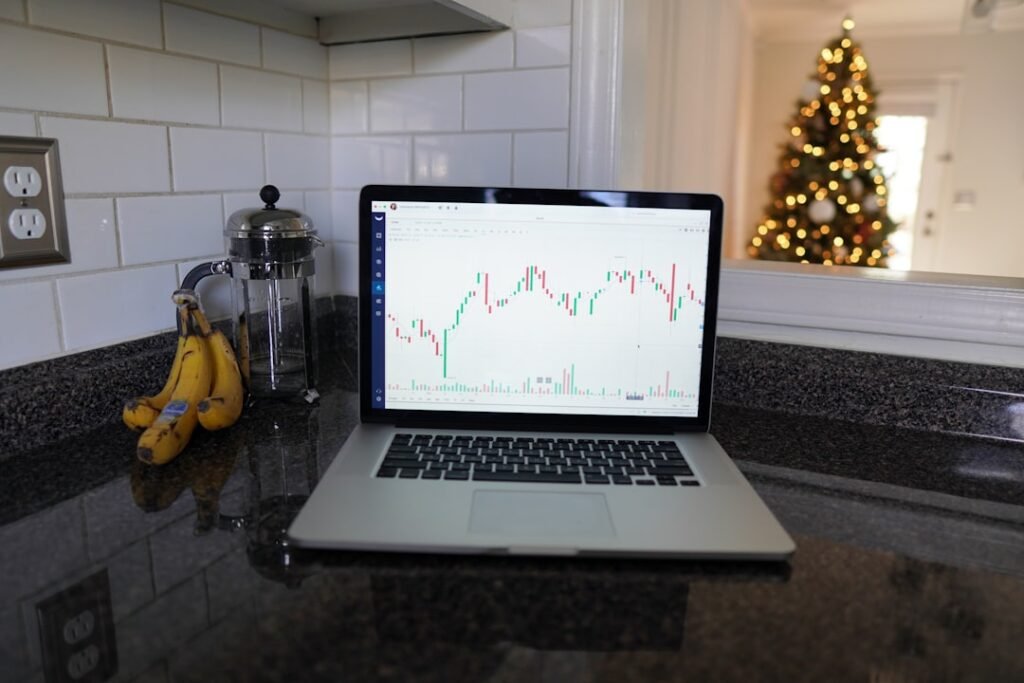
Photo by Joshua Mayo on Unsplash