What Are Bid and Ask Prices?
Every forex quote displays two prices side by side: the bid and the ask. These two numbers are not interchangeable — each one represents a different side of a transaction, and understanding the difference between them is one of the most fundamental skills a forex trader can develop.
The bid price is the price at which the market (or your broker) is willing to buy the base currency from you. In other words, it is the price you receive when you sell. The ask price (sometimes called the offer price) is the price at which the market is willing to sell the base currency to you — the price you pay when you buy. The ask is always higher than the bid.
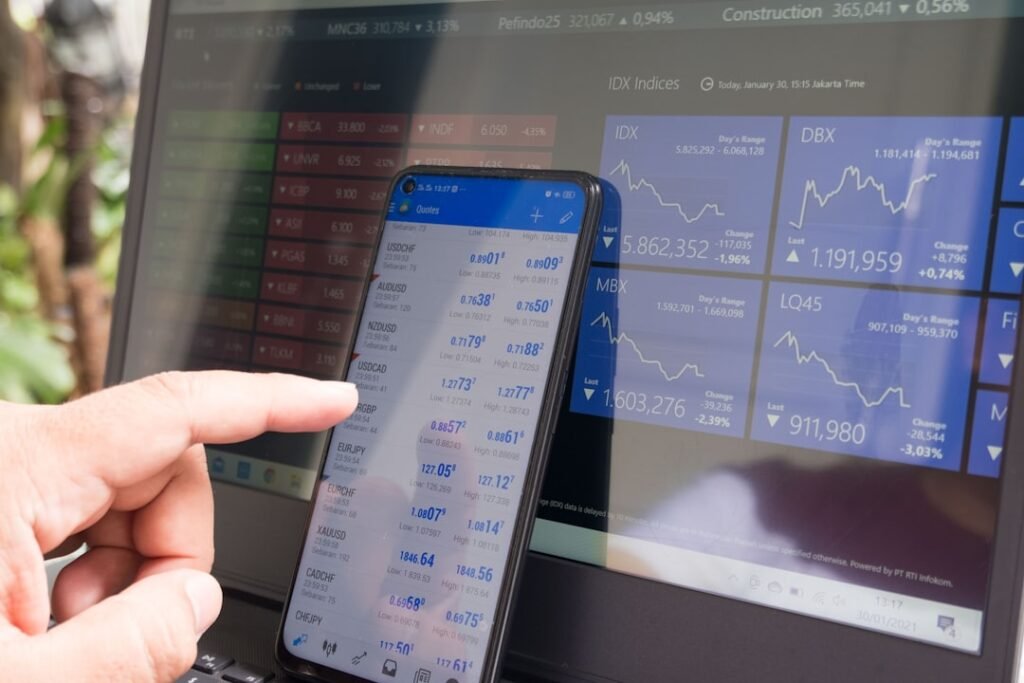
A typical EUR/USD quote might look like this: 1.0850 / 1.0853. The first number (1.0850) is the bid; the second (1.0853) is the ask. If you want to buy EUR/USD, you pay 1.0853. If you want to sell, you receive 1.0850. This small but important gap is known as the spread, and it represents an immediate cost to every trade you open. For a deeper look at how this cost works, see our guide on what spread in forex is and how it affects your trades.
How Forex Quotes Are Structured
To read forex quotes confidently, it helps to understand the anatomy of a currency pair and how price is expressed. If you are new to forex terminology, our article on essential forex terms every new trader must know covers the vocabulary you need before going deeper.
Base Currency and Quote Currency
Every currency pair has two components. The base currency is the first listed (e.g., EUR in EUR/USD), and the quote currency is the second (USD). The price tells you how much of the quote currency is needed to buy or sell one unit of the base currency. So a EUR/USD ask of 1.0853 means you need $1.0853 to buy €1.
Pips and the Spread
The difference between the bid and the ask is measured in pips — the smallest standardized unit of price movement for most currency pairs. In the example above (1.0850 / 1.0853), the spread is 3 pips. The moment you enter a trade, you are already 3 pips in the negative because you bought at the ask but would have to sell at the lower bid. Essentially, the spread is the built-in transaction cost you pay your broker on each trade — even before market conditions move against you.
Spreads can be fixed or variable. Fixed spreads stay constant regardless of market conditions, while variable (floating) spreads narrow during calm, liquid market hours and widen during high volatility or thin liquidity. To understand how broker pricing models affect this cost further, see our breakdown of spreads and commissions across different brokers.
Why Bid and Ask Matter for Your Trading Decisions
The practical implications of bid and ask prices go beyond simply knowing which number to look at. They affect your entry price, your stop loss placement, and your overall profitability.
Buying vs. Selling: Which Price Triggers Your Order?
One of the most common points of confusion for new traders is understanding which price applies to which action:
- Buy (Long) orders execute at the ask price — the higher of the two.
- Sell (Short) orders execute at the bid price — the lower of the two.
- Take profit on a buy trade closes at the bid price (you are now selling to exit).
- Stop loss on a buy trade also triggers at the bid price.
- Take profit on a sell trade closes at the ask price (you are buying back to exit).
This distinction matters enormously when you are setting precise stop loss and take profit levels. A stop loss placed just a few pips away from current price needs to account for which price your broker uses to trigger it. For a practical framework on setting these levels correctly, read our article on stop loss and take profit — why every trade needs them.
Spread Widening and Slippage
During major news releases, market open periods, or sudden volatility spikes, the spread between bid and ask can widen dramatically. A pair that normally carries a 1-pip spread might suddenly show 10 or 15 pips between the two prices. This means entering or exiting at those moments costs significantly more. In extreme cases, your order may not fill at the price you intended at all — a phenomenon known as slippage. Our dedicated guide on what slippage is in forex and how to manage it explains this in detail and offers practical strategies to minimize its impact.
Practical Tips for Working With Bid and Ask Prices
Understanding the theory is the first step. Here is how to apply it day to day:
- Always factor the spread into your trade plan. If your strategy targets a 10-pip gain but the spread is 3 pips, your true target requires the market to move 13 pips in your favor.
- Trade during liquid hours. The tightest spreads on major pairs typically occur during the London-New York session overlap, when market participation and liquidity are highest.
- Compare broker spreads before committing. Over dozens or hundreds of trades, even a 0.5-pip difference in average spread adds up to a meaningful cost.
- Use limit orders where possible. Limit orders let you specify the exact price you want to trade at, reducing the risk of entering at an unfavorable spread during volatile moments.
- Check which price triggers your stops. On most platforms, stop losses on long trades trigger at the bid; on short trades, at the ask. Confirm your broker’s rules so your risk levels are exactly where you intend them.
Putting It All Together
Bid and ask prices are not just background numbers on a chart — they define the real cost and mechanics of every trade you make. Knowing that you always buy at the ask and sell at the bid, that the spread is an immediate cost, and that this spread can widen under volatile conditions gives you a much clearer picture of how forex trading actually works under the hood. For traders who want to go further and understand the broader mechanics of how the market operates, our beginner’s overview of how the forex market works is an excellent next read.
Traders who use automated tools — such as the MetaTrader indicators and Expert Advisors available at mghfx.com — can also benefit from programming spread-awareness logic into their strategies, ensuring their EAs account for real execution costs rather than assuming ideal conditions.
Disclaimer: This article is for educational purposes only and does not constitute financial or trading advice. Always conduct your own research and consider your risk tolerance before trading.
Photo by Aedrian Salazar on Unsplash