What Is Automated Forex Trading?
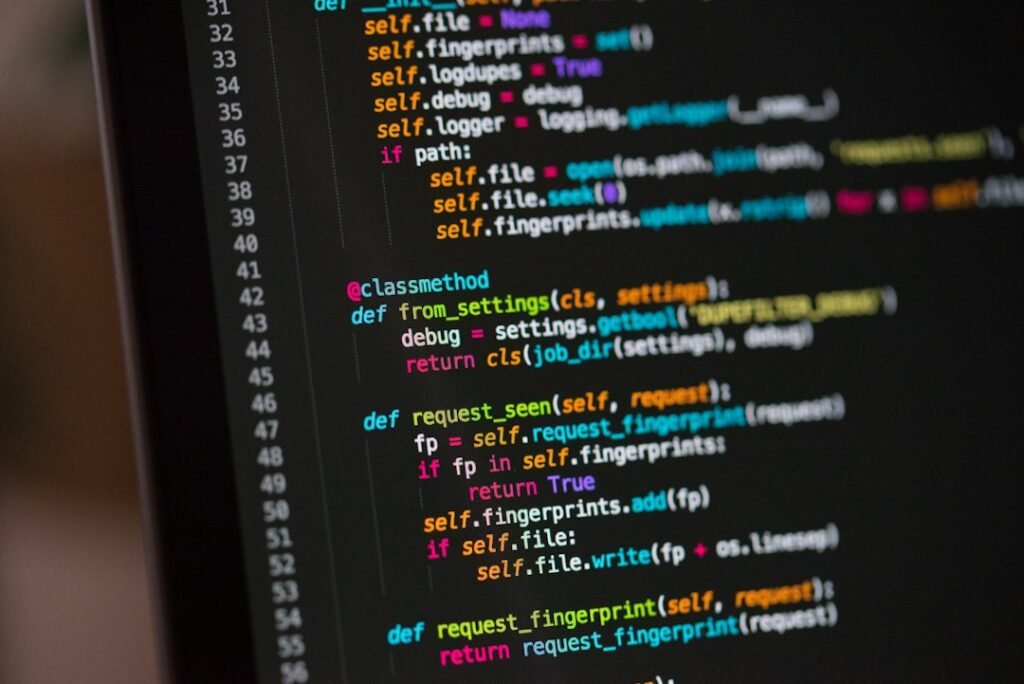
Automated forex trading means using software — commonly called an Expert Advisor (EA) or trading bot — to execute buy and sell orders on your behalf, based on a predefined set of rules. These rules can range from simple moving average crossovers to complex multi-condition strategies involving dozens of technical filters.
The appeal is obvious: machines don’t sleep, don’t panic, and don’t second-guess themselves. But like any tool in trading, automation comes with genuine strengths and real limitations that every trader should understand before committing real capital to it.
The Advantages of Automated Forex Trading
1. Emotion-Free Execution
One of the biggest edges automation provides is the removal of emotional decision-making. Fear and greed are responsible for a large proportion of retail trading losses. A trader might hold a losing position too long hoping for a reversal, or cut a winning trade short out of anxiety. An EA simply executes the rules as coded — no hesitation, no regret, no impulsive overrides.
This consistency is especially valuable during volatile market conditions, where emotional pressure is highest and disciplined decision-making is hardest.
2. Round-the-Clock Market Coverage
The forex market operates 24 hours a day, five days a week across multiple global sessions — London, New York, Tokyo, and Sydney. No human trader can monitor all of these sessions without exhaustion. An automated system can scan for setups and execute trades at 3 a.m. just as effectively as at noon, ensuring you never miss a valid signal simply because you were asleep.
3. Speed and Precision
EAs can react to market conditions in milliseconds. When a price level is hit or an indicator crosses a threshold, the order is placed almost instantly. Manual traders, by contrast, must see the signal, decide to act, navigate their trading platform, and submit the order — a process that can take several seconds and result in slippage on fast-moving pairs.
4. Backtesting and Strategy Validation
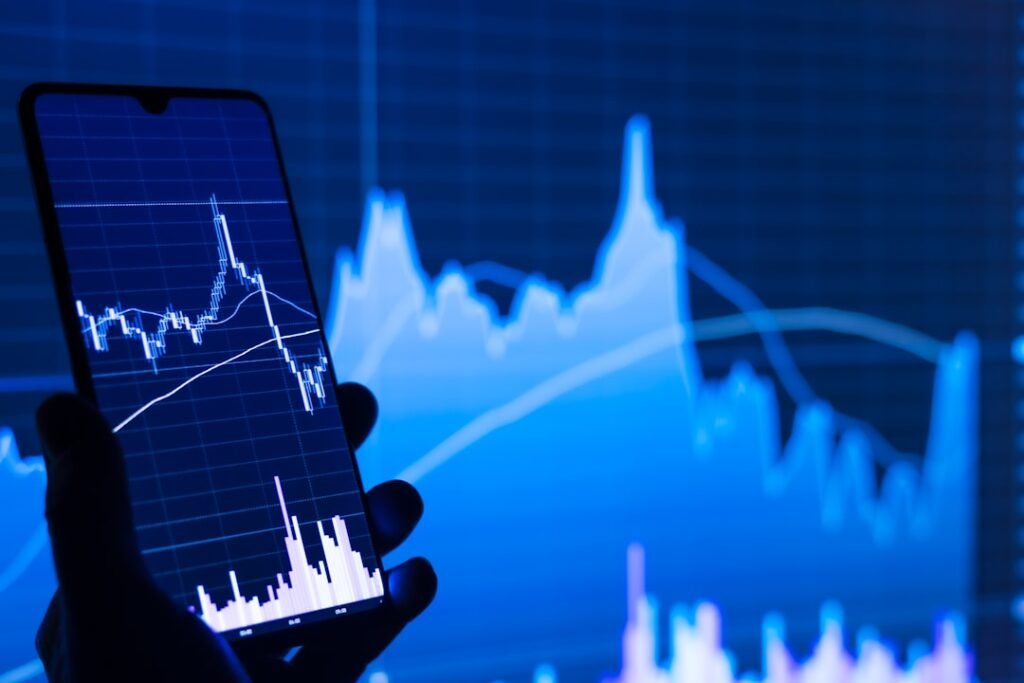
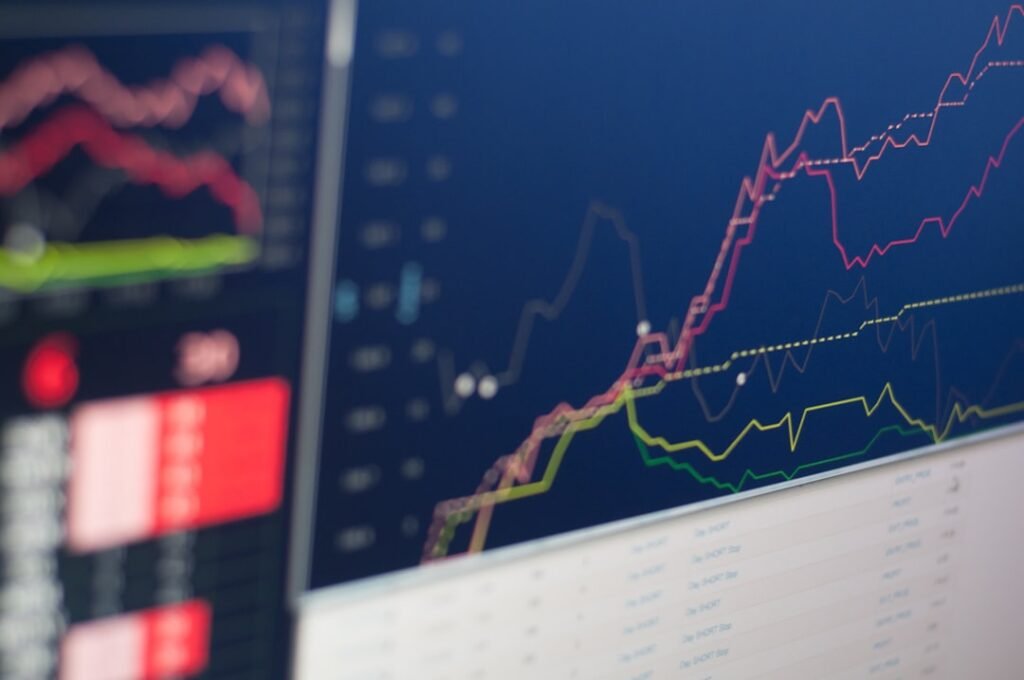
Before risking real money, automated strategies can be tested against historical price data — a process called backtesting. This allows traders to see how a strategy would have performed across different market conditions, helping to identify weaknesses and refine rules before going live. This level of systematic validation is extremely difficult to replicate with manual trading.
The Disadvantages of Automated Forex Trading
1. Over-Optimization and Curve Fitting
Backtesting is powerful, but it carries a hidden danger: over-optimization. When a strategy is tuned too precisely to historical data, it can produce spectacular backtest results that completely fail in live markets. This is called curve fitting — the EA has essentially memorized past price behavior rather than uncovering a genuinely robust edge. A strategy that returns 200% in backtesting can still lose money consistently in real conditions.
The remedy is rigorous out-of-sample testing, walk-forward analysis, and keeping strategy rules as simple and logical as possible.
2. Inability to Adapt to Changing Market Conditions
Automated systems follow fixed rules. Markets, however, change their character — periods of trending give way to choppy ranges, volatility regimes shift, and major macro events can temporarily invalidate technical patterns entirely. A trend-following EA might perform beautifully in a trending market and hemorrhage capital during a sideways, news-driven environment.
Experienced traders often address this by using multiple EAs tuned for different market conditions, or by building adaptive logic directly into their systems — though this adds significant complexity.
3. Technical Failures and Platform Dependency
Automated trading depends entirely on uninterrupted infrastructure: a stable internet connection, a running trading platform, a reliable broker server, and an uninterrupted power supply. Any one of these failing at the wrong moment can result in missed trades, unexecuted stop-losses, or open positions that can’t be managed. Running EAs on a Virtual Private Server (VPS) mitigates much of this risk, but it adds cost and a layer of technical responsibility.
4. False Sense of Security
Perhaps the most underrated risk of automation is psychological: traders sometimes treat an EA like a passive income machine and stop paying attention. Markets evolve, brokers change their conditions, and strategies that worked for months can degrade quietly. Regular monitoring, periodic performance review, and a clear set of criteria for when to pause or stop a system are essential disciplines — automation does not eliminate the need for active oversight.
Finding the Right Balance
The most effective approach for many traders is a hybrid one: using automation to handle execution, screening, and routine rule-following, while maintaining human oversight for broader market context and risk management decisions. An EA can manage entries and exits flawlessly; a human can decide whether current market conditions are appropriate for that EA to be running at all.
When evaluating any automated system, ask: Does this strategy have a logical reason to work, not just a good backtest? Has it been tested on out-of-sample data? What are the realistic drawdown expectations? Is the position sizing appropriate for my account size and risk tolerance?
For traders looking to explore well-structured MetaTrader indicators and Expert Advisors built with these principles in mind, MGH Products at mghfx.com offers a range of tools designed to support disciplined, rules-based trading.
Conclusion
Automated forex trading is neither a magic solution nor a flawed concept — it is a powerful tool that delivers results proportional to the quality of thinking behind it. Understanding its genuine advantages and its real limitations puts you in a far better position to use automation wisely, as a precision instrument rather than a shortcut.
Disclaimer: This article is for educational purposes only and does not constitute financial advice. Trading forex involves significant risk. Always conduct your own research and consult a qualified financial professional before making any trading decisions.
Photo by Nicholas Cappello on Unsplash