What Are Safe-Haven Currencies and Assets?
In financial markets, the term safe haven refers to any currency, asset, or instrument that tends to retain or increase in value during periods of widespread market stress, geopolitical uncertainty, or economic instability. When fear grips the markets — whether from a financial crisis, a sudden geopolitical shock, or a sharp decline in global equities — traders and investors instinctively rotate capital away from higher-risk positions and toward assets they trust to preserve value. Understanding how and why this happens is a foundational skill for any serious forex or macro trader.
Safe havens are not risk-free. They are simply assets that have historically attracted capital during turbulent periods, often due to structural, economic, or liquidity-related reasons. The key is understanding why a particular asset earns that status — because that reasoning helps you anticipate how it may behave in future stress events.
The Major Safe-Haven Currencies
The Swiss Franc (CHF)
The Swiss franc is arguably the most well-known safe-haven currency in the forex market. Switzerland’s political neutrality, low inflation history, strong banking system, and consistent current account surpluses have all contributed to the franc’s reputation as a store of value. When global uncertainty rises, capital often flows into CHF, causing it to appreciate — sometimes sharply — against riskier currencies. Traders frequently watch USD/CHF and EUR/CHF as barometers of risk sentiment in the forex market.
The Japanese Yen (JPY)
The Japanese yen has a slightly different story. Japan is the world’s largest creditor nation, and Japanese institutional investors hold enormous amounts of foreign assets. During periods of stress, these investors tend to repatriate capital back to Japan, which means selling foreign currencies and buying yen. This mechanical flow drives JPY appreciation during risk-off episodes, regardless of Japan’s domestic economic conditions. USD/JPY and cross-yen pairs like AUD/JPY are closely watched as indicators of broader market sentiment.
The US Dollar (USD)
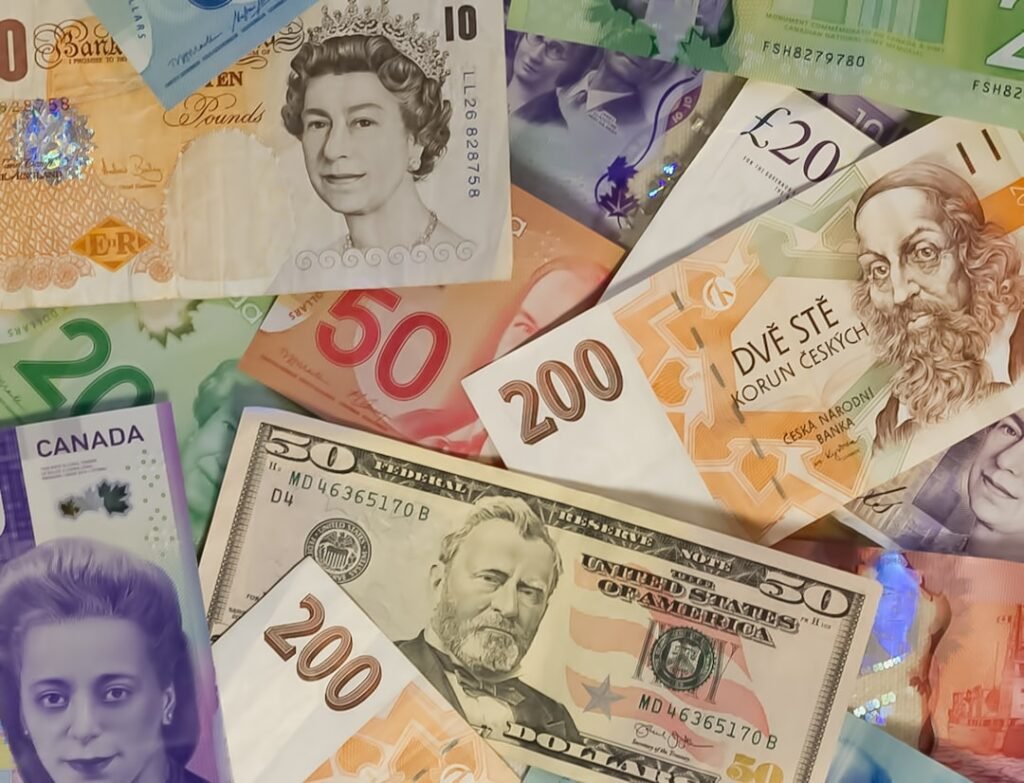
The US dollar occupies a unique position. As the world’s primary reserve currency and the denomination for global commodities and debt markets, the dollar tends to rally during acute crises — particularly when there is a global scramble for liquidity. However, the dollar’s safe-haven status is more conditional than CHF or JPY: in some scenarios, especially those where the US itself is the source of instability, the dollar may weaken even as other havens strengthen. Understanding this nuance prevents oversimplified trading decisions.
Safe-Haven Assets Beyond Currencies
Gold
Gold is perhaps the oldest and most universally recognized safe-haven asset. It carries no credit risk, cannot be printed by any government, and has maintained purchasing power across centuries. During periods of inflation fears, currency debasement concerns, or geopolitical crises, gold typically attracts strong demand. For forex traders, XAU/USD (gold priced in us dollars) is a highly liquid instrument that can serve as both a direct trade and a sentiment gauge. It is important to note that gold and the US dollar sometimes move in opposite directions, though this relationship is not always consistent.
Government Bonds
High-quality sovereign bonds — particularly US Treasuries, German Bunds, and Japanese Government Bonds — serve as safe havens in the fixed-income world. When fear rises, investors pile into these instruments, driving prices up and yields down. For forex traders, the relationship between bond yields and currency pairs is significant: falling yields in one country relative to another can shift interest rate differentials and influence currency flows. Watching the yield on the 10-year US Treasury, for example, can provide useful context for USD pairs.
The Role of Risk Sentiment Indicators
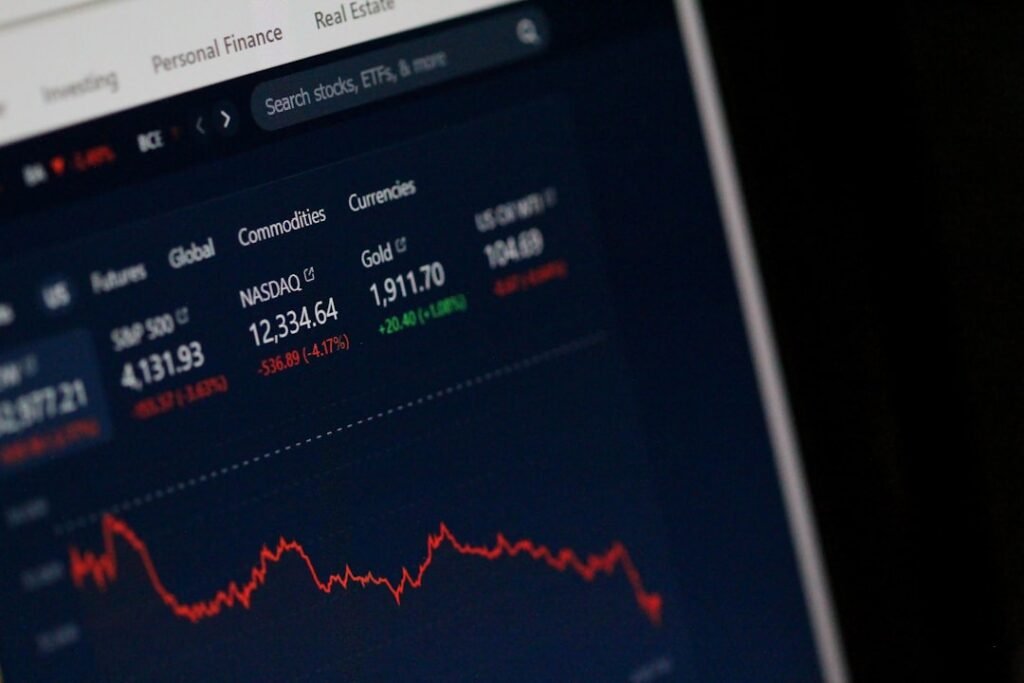
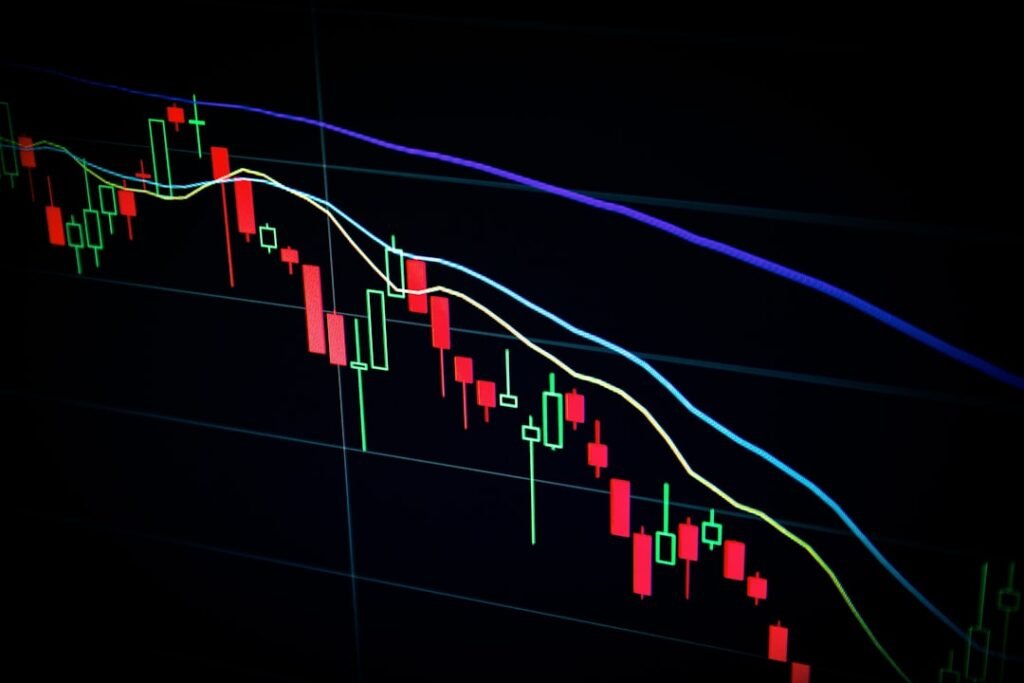
Safe-haven flows are closely tied to overall market risk sentiment. Traders often use proxy indicators to gauge this sentiment in real time. These include equity index performance (a sharp drop in major stock indices typically signals risk-off), volatility indices, credit spreads, and commodity currencies like the Australian dollar (AUD) or New Zealand dollar (NZD) — which tend to weaken during risk-off periods. When AUD/JPY or AUD/CHF is falling sharply, it is often a signal that risk aversion is intensifying.
Applying Safe-Haven Knowledge to Your Trading
Understanding safe-haven dynamics allows you to build a more complete picture of market conditions before entering or exiting a trade. For example, if you are considering a long position in a risk-sensitive pair like AUD/USD, checking the behavior of JPY crosses and gold simultaneously gives you a broader context. If safe havens are surging while risk assets are selling off, the timing of that AUD/USD long becomes more questionable — not because of any single indicator, but because multiple instruments are confirming the same sentiment.
It is also worth studying how quickly safe-haven flows can reverse. In short, sharp crises, CHF and JPY can spike dramatically and then retrace just as fast once conditions stabilize. This volatility can be hazardous if you are caught on the wrong side, but it can also present clean, high-probability setups for traders who understand the mechanics behind the move.
Traders looking to systematically track safe-haven relationships alongside technical signals may find dedicated MetaTrader tools useful. MGH Products at mghfx.com offers indicators and Expert Advisors designed to help traders integrate multi-market context into their MetaTrader workflow.
Conclusion
Safe-haven currencies and assets reflect a fundamental truth about financial markets: when uncertainty rises, capital seeks shelter. The Swiss franc, Japanese yen, US dollar, gold, and high-quality government bonds each play this role in distinct ways, and understanding the reasoning behind each helps traders read market sentiment more accurately. Rather than treating these assets as a simple checklist, the goal is to understand the underlying flows that drive them — so that safe-haven behavior becomes a useful lens for interpreting market conditions, not just a label applied after the fact.
Disclaimer: This article is for educational purposes only and does not constitute financial or investment advice. Trading forex and related instruments carries significant risk. Always conduct your own research and consider your risk tolerance before making any trading decisions.
Photo by John McArthur on Unsplash