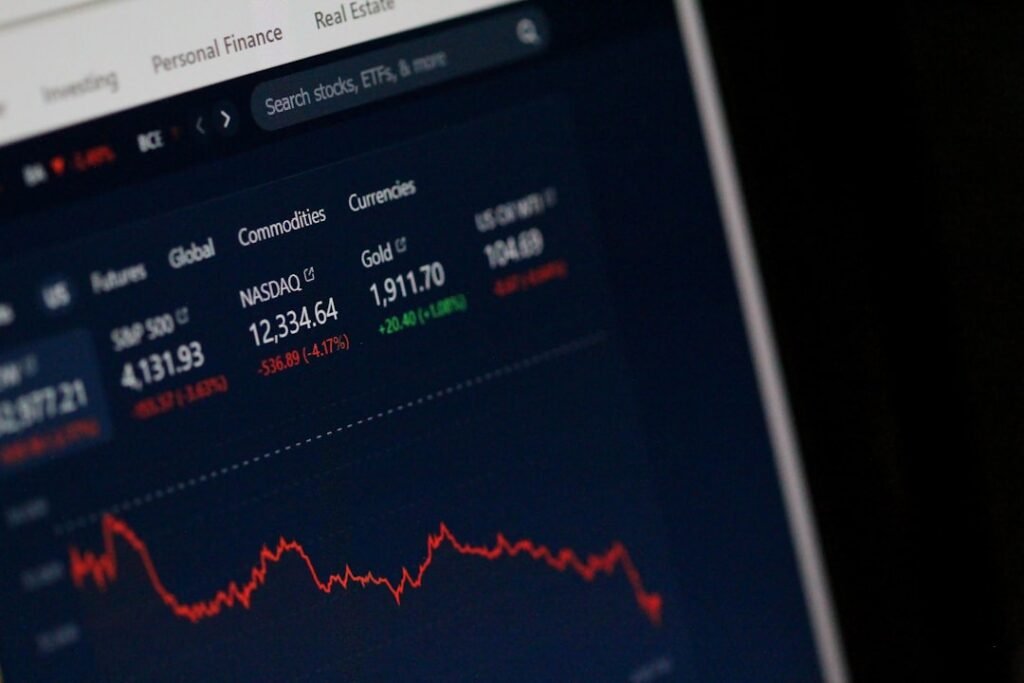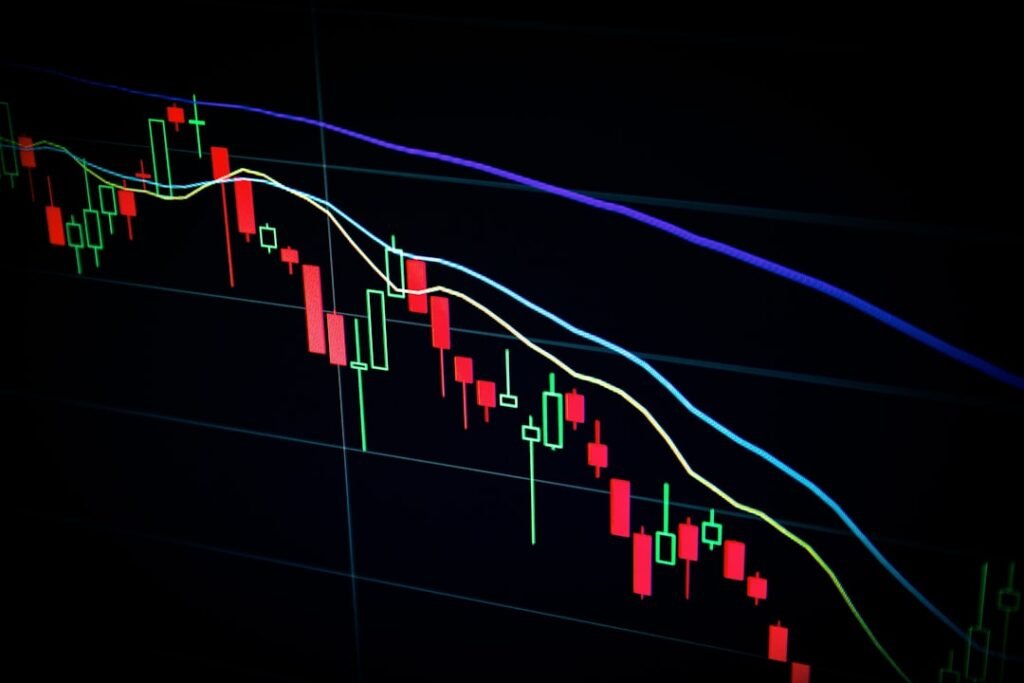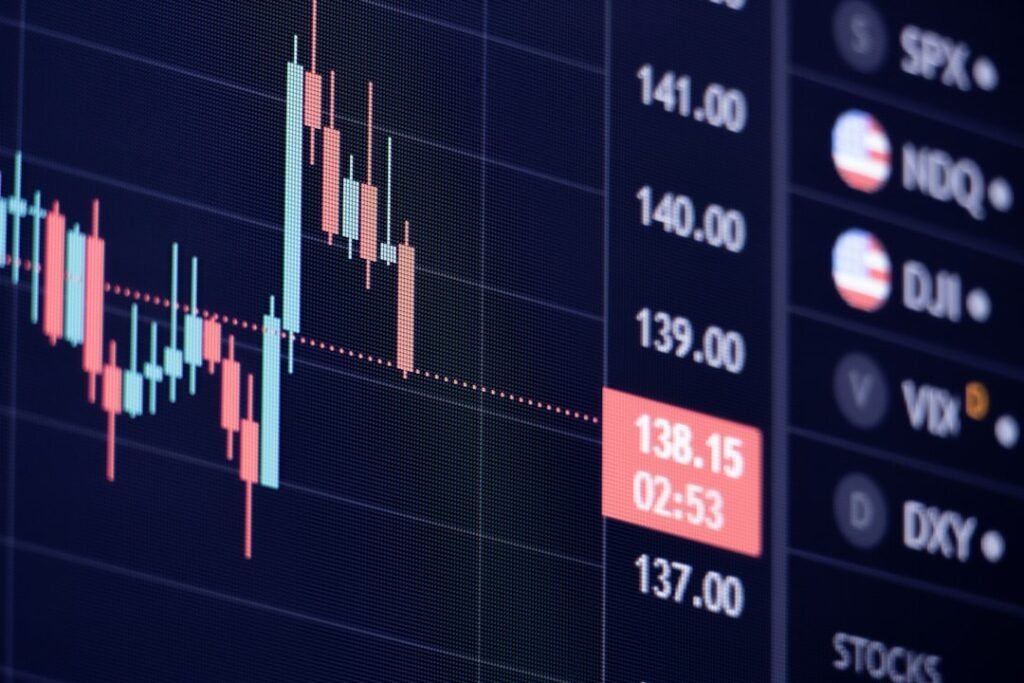
Currency markets are often described as a mirror of global confidence. When the world feels stable, capital flows freely toward growth and yield. When uncertainty strikes — through conflict, political upheaval, or diplomatic breakdown — traders reprice risk almost instantly. Understanding how geopolitical events translate into currency movements is one of the most practical skills a forex trader can develop, because these events don’t follow an economic calendar. They arrive without warning, and the market reacts fast.
Why Geopolitical Risk Affects Currency Values
At its core, a currency’s value reflects investor confidence in the underlying country — its economy, institutions, and stability. Geopolitical shocks disrupt that confidence. When a country faces military conflict, a contested election, or sweeping sanctions, foreign investors tend to pull capital out, reduce exposure to that nation’s assets, and seek safer alternatives. This selling pressure weakens the affected currency.
The mechanism works through several channels:
- Capital flight: Investors move funds out of politically unstable regions into perceived safe havens, reducing demand for the local currency.
- Trade disruption: Conflict or sanctions can choke exports and imports, reducing the flow of foreign currency into the country.
- Central bank credibility: Political interference with monetary policy — or fears of it — can undermine confidence in a currency’s long-term value.
- Risk sentiment shifts: A major geopolitical shock can flip broad market sentiment from risk-on to risk-off globally, benefiting safe-haven currencies across the board.
Safe-Haven Currencies and the Risk-Off Dynamic
Not all currencies react the same way to geopolitical stress. Some benefit from it. The US Dollar (USD), Swiss Franc (CHF), and Japanese Yen (JPY) are historically regarded as safe-haven currencies — assets that traders flock to when global uncertainty rises.
The logic is straightforward: the US has deep, liquid financial markets and a long institutional track record. Switzerland has political neutrality and strict banking stability. Japan, despite its own economic complexities, holds enormous foreign assets and sees its currency strengthen when those assets are repatriated during global crises.
In contrast, currencies from emerging markets or commodity-dependent economies — such as the South African Rand (ZAR), Turkish Lira (TRY), or Brazilian Real (BRL) — tend to weaken sharply during risk-off episodes. These currencies carry higher yields to attract investment in calm times, but that premium evaporates quickly when fear enters the market.
A Practical Example: Conflict in an Oil-Producing Region
Consider a hypothetical armed conflict breaking out in a major oil-producing region. Several things happen simultaneously in the forex market:
- Oil prices spike on supply fears, which strengthens commodity-linked currencies like the Canadian Dollar (CAD) and Norwegian Krone (NOK) — at least initially.
- The USD, CHF, and JPY strengthen as traders move to safety.
- Currencies of oil-importing nations may weaken, as their import bills rise and trade balances deteriorate.
- Emerging market currencies in the region or in countries with political exposure to the conflict may sell off sharply.
This example illustrates that geopolitical events rarely have a single, clean effect. Traders need to think through second- and third-order consequences, not just the headline shock.
Types of Geopolitical Events and Their Typical Market Impact
Elections and Political Transitions
Elections introduce policy uncertainty. Markets dislike uncertainty, so currencies often become more volatile in the weeks surrounding major elections. The result depends heavily on the perceived policy platform of the leading candidates. A candidate promising fiscal austerity and central bank independence may be welcomed by markets; one promising currency controls or heavy money printing may trigger a selloff. After the result is known — even if the outcome is unfavorable — volatility often decreases simply because the uncertainty is resolved.
Sanctions and Trade Wars
Economic sanctions and tariff disputes are slower-moving geopolitical forces but can be deeply consequential. Sanctions on a major economy restrict its ability to trade and access global financial systems, often causing its currency to depreciate steadily over months or years. Trade disputes between large economies can weaken both currencies involved while boosting safe havens, as traders fear slower global growth.
Military Conflict
Outright armed conflict produces the sharpest and fastest currency reactions. Currencies of countries directly involved typically fall due to economic disruption, fiscal pressure, and capital flight. Neighboring countries may also see their currencies weaken due to contagion risk. The initial spike in volatility can be extreme, with spreads widening and liquidity temporarily thinning — conditions that make trading during the immediate aftermath especially risky.
How Traders Navigate Geopolitical Risk
No trader can predict geopolitical events with certainty, but there are practical approaches to managing exposure:
- Monitor correlation to risk sentiment: Know which pairs in your portfolio are risk-sensitive and which are safe-haven oriented. During heightened geopolitical tension, these correlations tend to strengthen.
- Reduce position size around known risk events: Elections, referendums, and diplomatic summits are scheduled. Reducing leverage before these events limits the damage from unexpected outcomes.
- Use wider stops during volatile periods: Normal stop-loss distances may be too tight during geopolitical shocks, leading to premature exits on noise rather than trend changes.
- Avoid illiquid pairs during crises: Stick to major pairs where spreads remain manageable even in high-volatility environments.
- Watch the VIX and gold: Rising equity volatility and gold prices are often early signals of a risk-off shift, giving forex traders an early read on where sentiment is heading.
Traders who use systematic tools can also benefit from objective, rules-based frameworks during emotionally charged news events. MetaTrader indicators and Expert Advisors from MGH Products can help remove emotion from trade execution and enforce discipline when markets are moving fast and headlines are loud.
Closing Thoughts
Geopolitical events are an inescapable part of forex trading. Unlike economic data releases, they don’t come with a countdown timer. The traders who handle them best are not those who predict them accurately — almost no one does — but those who understand the structural dynamics they trigger: which currencies strengthen, which weaken, and why. Building that mental model takes time, but the foundation is straightforward: follow the capital, respect the safe havens, and never underestimate how quickly sentiment can shift when fear enters the room.
Disclaimer: This article is for educational purposes only and does not constitute financial or investment advice. Forex trading involves significant risk of loss. Always conduct your own research and consult a qualified financial professional before making trading decisions.
Photo by Tötös Ádám on Unsplash