Why Broker Selection Matters More Than Most Traders Realize
For Canadian forex traders, choosing the right broker is one of the most consequential decisions you will make. Your broker controls the execution of every trade, the safety of your deposited funds, and the quality of the trading environment you operate in every day. A poor choice can mean wider spreads, unreliable execution, or — in the worst case — funds held by an unregulated entity with no recourse if something goes wrong.
This guide walks through the key criteria every Canadian retail trader should evaluate before opening a live account, regardless of experience level.
Regulation: The Non-Negotiable Starting Point
Canada does not have a single national forex regulator. Instead, oversight is handled at the provincial level through Investment Industry Regulatory Organization of Canada (IIROC) — now consolidated under the Canadian Investment Regulatory Organization (CIRO) — and provincial securities commissions such as the Ontario Securities Commission (OSC) and the Autorité des marchés financiers (AMF) in Quebec.
When evaluating a broker, confirm:
- CIRO membership: Brokers registered with CIRO are subject to regular audits, capital requirements, and conduct rules designed to protect retail clients.
- CIPF coverage: The Canadian Investor Protection Fund protects client assets up to defined limits if a member firm becomes insolvent. This is meaningfully different from brokers that simply claim to be “regulated” offshore.
- Provincial registration: Check the CSA (Canadian Securities Administrators) national registration search to verify a broker is actually licensed to operate in your province.
Many internationally recognized brokers operate in Canada through a locally registered entity. Always verify the specific entity you are opening an account with — not just the parent brand.
Key Trading Conditions to Compare
Spreads and Commission Structure
The spread is the difference between the bid and ask price, and it represents a cost on every trade you open. Brokers typically operate under one of two models:
- Market Maker (dealing desk): The broker often takes the other side of your trade and profits from the spread. Spreads may be fixed or variable. Simpler to understand, but potential conflicts of interest exist.
- ECN/STP (no dealing desk): Your orders are routed to liquidity providers. Spreads are variable and typically tighter during liquid sessions, but a per-trade commission is usually charged on top.
Neither model is inherently better for every trader. Scalpers and high-frequency traders often prefer tight ECN spreads plus commission. Position traders may find a straightforward spread-only model easier to account for in their risk calculations.
Leverage Limits
Canadian regulations impose maximum leverage limits on retail clients. For major currency pairs, leverage is generally capped lower than what offshore brokers advertise. While higher leverage can amplify gains, it equally amplifies losses — and Canadian regulators have set these limits specifically to protect retail participants from catastrophic drawdowns. Understanding how leverage interacts with your position sizing is more important than chasing the highest ratio available.
Trading Platform and Tool Compatibility
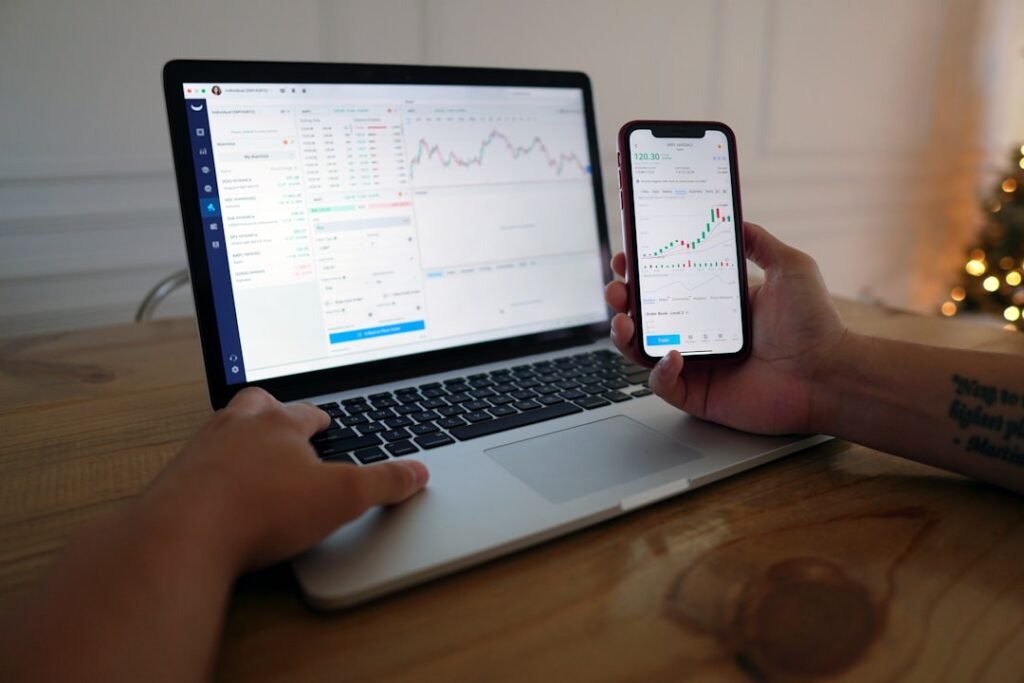
Most serious retail traders in Canada use MetaTrader 4 (MT4) or MetaTrader 5 (MT5). Confirm your chosen broker offers a stable, full-featured version of whichever platform you intend to use. Key platform considerations include:
- Reliable execution with minimal requotes
- Support for Expert Advisors (EAs) and custom indicators
- Mobile and desktop versions that sync seamlessly
- Access to a demo account before committing real funds
If you plan to use automated strategies or technical analysis tools — such as the custom MetaTrader indicators and EAs available at mghfx.com — verify that your broker’s platform version fully supports third-party scripts and does not restrict EA usage on live accounts.
Account Types, Deposits, and Customer Support
Account Types and Minimum Deposits
Canadian brokers typically offer standard, mini, and sometimes micro accounts. A lower minimum deposit gives newer traders the ability to trade with real money while managing risk carefully during the learning curve. Look for accounts that allow you to trade with position sizes that align with your actual risk tolerance — not position sizes dictated by an account minimum that forces you to over-leverage.
Funding and Withdrawal Methods
Canadian traders benefit from brokers that support CAD-denominated accounts. Holding a CAD account eliminates currency conversion fees each time you deposit or withdraw. Check whether the broker supports common Canadian payment methods such as bank wire transfers, credit/debit cards, and whether withdrawal timelines are clearly stated in their terms.
Customer Support Quality
Test support before you commit. Contact the broker’s support team during your evaluation period with a specific technical question. Evaluate response time, the depth of the answer, and whether support is available during the trading hours that matter to you. Brokers with 24/5 live chat and phone support tend to be more accountable than those offering only email-based ticketing.
Bringing It All Together
Choosing a forex broker in Canada comes down to three pillars: regulatory legitimacy, competitive and transparent trading conditions, and a reliable platform that supports your trading style. Take the time to open demo accounts with two or three shortlisted brokers before depositing real funds. Evaluate execution quality, slippage during news events, and the responsiveness of the platform under different market conditions.
A broker that checks every box on paper but executes poorly in practice is not the right choice — and the only way to find out is to test thoroughly before committing capital.
Disclaimer: This article is for educational purposes only and does not constitute financial or investment advice. Forex trading involves substantial risk of loss. Always conduct your own due diligence and consider seeking independent financial advice before trading.
Photo by John McArthur on Unsplash