Market Overview: A Pivotal Week for the Dollar
Tuesday, August 25, 2026 finds global forex markets in a state of cautious anticipation. Traders are navigating a dense economic calendar, a landmark central bank event later this week, and a rapidly escalating North American trade dispute. Yesterday’s session already reflected elevated risk-off sentiment, and today’s data releases and central bank commentary are set to sustain volatility across major pairs. This is not financial advice — the analysis below is intended purely for informational and educational purposes.
Key Market-Moving Events: August 25, 2026
Conference Board Consumer Confidence & ADP Employment
According to FinancialJuice, two major U.S. data points are scheduled for release today: the Conference Board Consumer Confidence Index for August at 10:00 AM ET, followed by the ADP Employment Change report. The Conference Board’s July reading showed the Present Situation Index fell 3.6 points to 114.9 — its third consecutive monthly decline — while the Expectations Index stayed below 80 at 74.7, historically a threshold associated with recession risk. One-year inflation expectations eased somewhat to 4.5% in July from 4.9% in June. A further deterioration today could reinforce calls for the Federal Reserve to pause its tightening cycle, while an unexpected rebound in confidence could lend fresh support to the dollar ahead of Friday’s marquee event.
Jackson Hole: All Eyes on Fed Chair Warsh (Friday, August 28)
The single biggest event of the week is the Jackson Hole Economic Policy Symposium running August 27–29 in Wyoming. According to Bloomberg, Federal Reserve Chair Kevin Warsh — who took office on May 22, 2026 — will deliver his inaugural keynote address on Friday morning, August 28, landing just nineteen days before the September 16 FOMC rate decision. As Intellectia AI notes, Warsh has already removed forward-looking guidance from FOMC statements, making this speech one of the few extended opportunities for markets to hear directly from the new Chair. His July 29 FOMC meeting produced an unusual 9-3 vote, with three regional presidents dissenting in favor of a rate hike, according to Regards of Wall Street. Markets are treating Friday’s speech as a binary risk event: a hawkish lean could spike Treasury yields and the dollar, while a neutral or structural-focused tone would likely sustain dollar softness and benefit gold and risk assets.
Also on the radar this week: the second estimate of Q2 U.S. GDP is due Wednesday, August 26, which The Right Trader identifies as the biggest scheduled macro mover of the week alongside Personal Income & Outlays data.
US-Canada Trade War Escalates
A major macro shock rattled North American markets over the weekend. According to the Canadian Federation of Independent Business (CFIB), the United States imposed 50% tariffs on a broad range of Canadian goods effective August 22, 2026 — covering dairy, electronics, building materials, apparel, and numerous other categories. As NPR reported, Canadian Prime Minister Mark Carney announced Canada will respond with matching “dollar-for-dollar” retaliatory tariffs on U.S. imports starting September 8. Carney characterized the trade breakdown as an act of economic aggression. The escalation introduces fresh uncertainty for USD/CAD and commodities tied to Canadian exports, including oil and lumber.
Technical Outlook: Major Pairs
EUR/USD — Holding Its Ground Near 1.1670
According to Yahoo Finance data, EUR/USD is quoted around 1.1670 in Tuesday’s session. The pair has been buffeted by two competing forces: a structurally softer U.S. dollar — which set a fresh lower-low last week following the Treasury’s surprise announcement of expanded long-end debt buybacks, per FOREX.com — and a Euro area that Cambridge Currencies notes is supported by the ECB’s 2.25% deposit rate with the next policy decision due September 10. On the upside, the pair faces resistance in the 1.1700–1.1730 zone. A clear close above that range would open the door toward 1.1800. On the downside, a drop back through 1.1600 would put near-term support around 1.1530 in focus. Traders should watch today’s U.S. Consumer Confidence data closely, as a significant miss could provide a fresh catalyst for EUR/USD to retest recent highs. Knowing how to read key candlestick patterns at these decision zones can help traders time their entries more effectively.
USD/JPY — BOJ September Hike Bets Keep the Yen Bid
USD/JPY is trading around 159.16 in Tuesday’s session, according to Yahoo Finance. The pair has become one of the most watched setups in the market, with Bloomberg reporting that Bank of Japan officials are set to have several opportunities this week to validate — or push back against — market bets on a September rate hike. BOJ Deputy Governor Ryozo Himino is scheduled to speak today, kicking off a series of appearances ahead of the September 18 policy meeting. According to Reuters (via Investing.com), three sources familiar with the BOJ’s thinking confirmed the bank is eyeing a September rate hike and potentially a faster pace of tightening, driven by inflation pressures from the Middle East conflict, AI-related global demand, and persistent yen weakness. Trading Economics reports that markets are currently pricing approximately 82% odds of a September BOJ rate increase to 1.25% from the current 1.0%. Any hawkish signal from Himino today could add to yen strength and push USD/JPY back toward the 158.00–158.50 support cluster. A failure of that zone would expose the 156.50 area. Resistance is seen at 160.00–160.50. The carry trade remains a crowded position and is vulnerable to sharp unwinds, as FOREX.com’s senior strategist James Stanley noted earlier this week.
XAU/USD — Gold Surges to Multi-Month Highs Near $4,680
Gold is the standout performer of the week. According to MQL5 data, XAUUSD was traded at a session high of $4,680 on Monday and is extending gains into Tuesday. TradingView data puts the August 24 closing price at $4,645. The rally has been sharp: Trading Economics reported that gold climbed above $4,600 last week — its highest level since mid-May — posting weekly gains of around 5%. The catalyst, as Trading Economics explained, was the U.S. Treasury’s unexpected decision to increase purchases of longer-dated government debt, which pushed bond yields and the dollar lower and intensified concerns about U.S. fiscal sustainability. Treasury Secretary Scott Bessent has signaled that further buybacks could follow. According to goldsilver.com, gold broke above its 100-day moving average at $4,387 for the first time in more than two months, with that level now acting as a key structural pivot. This week, LiteFinance identifies $4,315 as an estimated near-term pivot for XAU/USD, with the pair projected to see moderate volatility from today’s ADP data, Thursday’s jobless claims, and Friday’s Warsh speech. Near-term resistance is seen at $4,700, with support around $4,580–$4,600. A hawkish Warsh tone at Jackson Hole represents the primary downside risk for gold in the near term. Traders using Bollinger Bands may note that the current surge has extended price to the upper band on the daily chart — a zone that often precedes consolidation before the next directional move.
Broader Macro Picture
The broader macro backdrop remains complex. U.S. headline inflation stood at 3.4% year-over-year as of July 2026, well above the Fed’s 2% target, according to The Right Trader. The unemployment rate was 4.1% in July, while the U.S. nonfarm payrolls report showed a decline of 23,000 jobs that month, per MTFX Group. Meanwhile, the U.S. CPI and the core PCE data — due Wednesday, August 26 — will be closely scrutinized for clues about how urgent the September FOMC decision truly is. Geopolitical risk from the Middle East and the rapidly deteriorating U.S.-Canada trade relationship are adding safe-haven tailwinds to both gold and the yen. Traders following multiple pairs simultaneously may find it useful to review the implications of forex spreads during high-volatility events, as spreads can widen significantly around major releases like the GDP print and the Jackson Hole keynote.
Conclusion
August 25 is a bridge day between today’s confidence and employment data and a weekend that could reshape rate expectations globally. Gold is at its highest in months, USD/JPY is being pulled lower by BOJ rate-hike expectations, and EUR/USD is holding its recent gains despite a complex macro backdrop. The biggest scheduled risk event remains Fed Chair Warsh’s Friday speech at Jackson Hole. Traders would be wise to manage position sizes ahead of that event, given the Fed’s new preference — under Warsh — for less forward guidance and greater data dependency. For traders who want to complement their analysis with purpose-built tools, MGH Products offers a range of MetaTrader indicators at mghfx.com designed to help you identify key levels and signals more consistently.
Disclaimer: This article is for informational and educational purposes only and does not constitute financial or investment advice. Always conduct your own research before making any trading decisions.
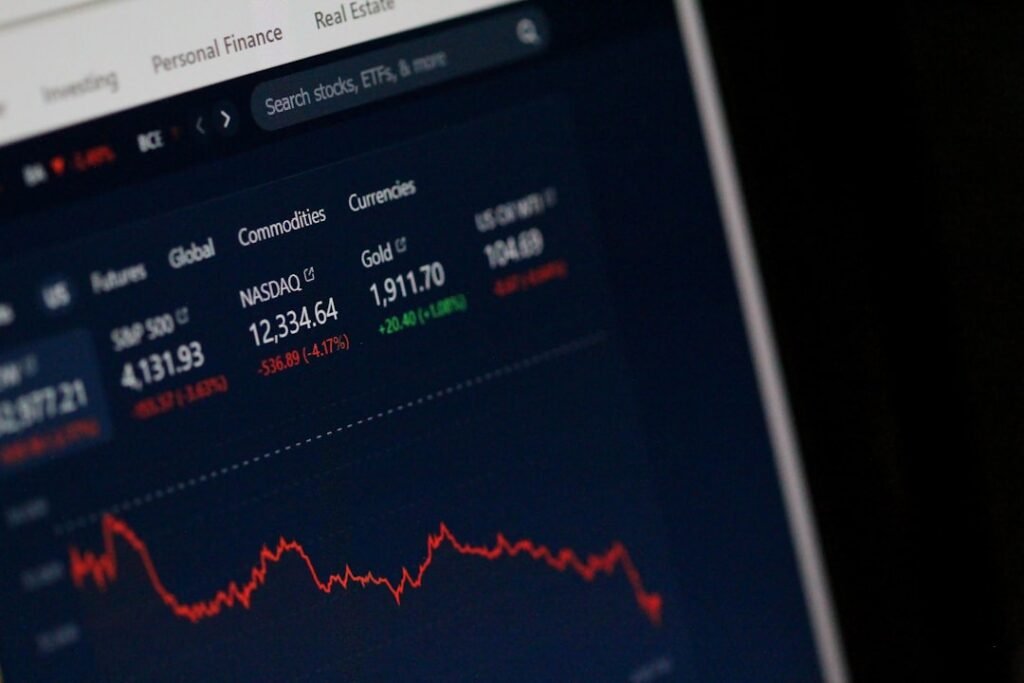
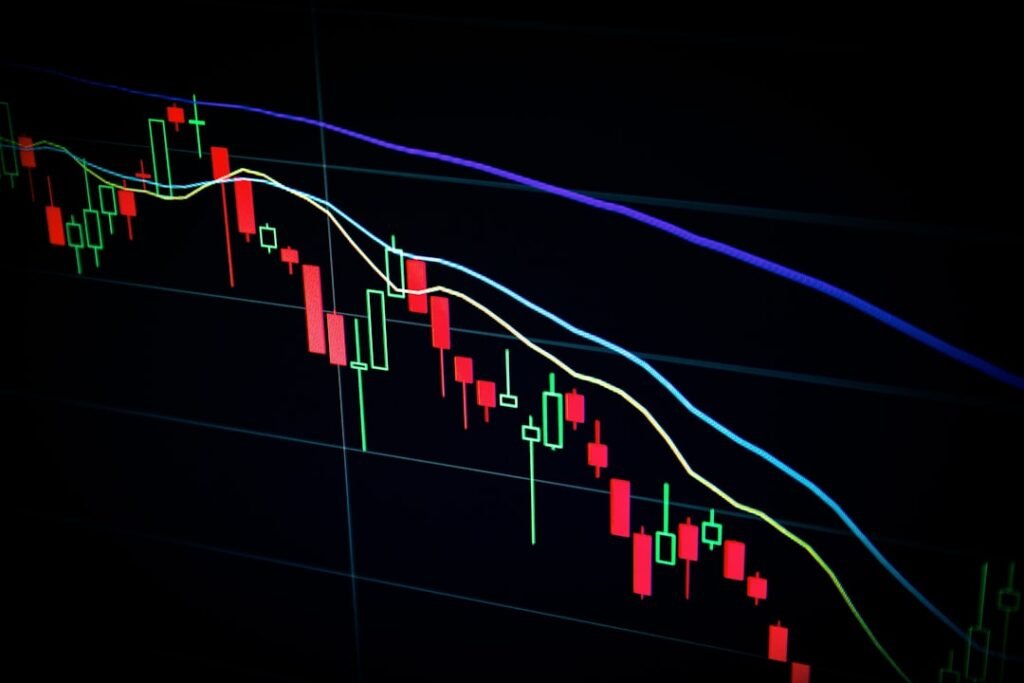
Photo by Jakub Żerdzicki on Unsplash