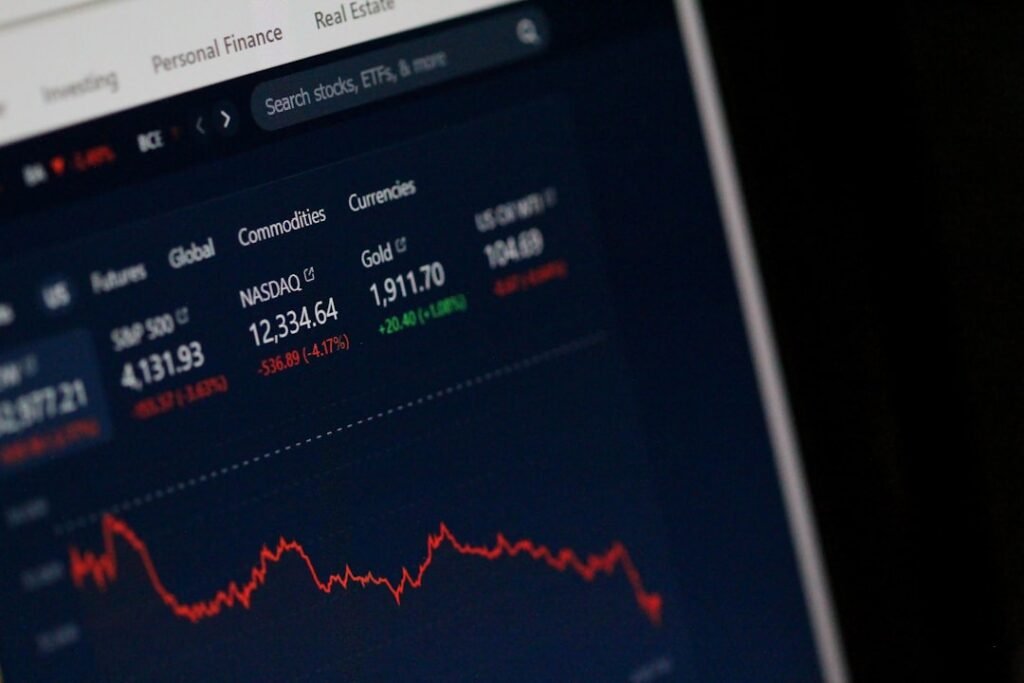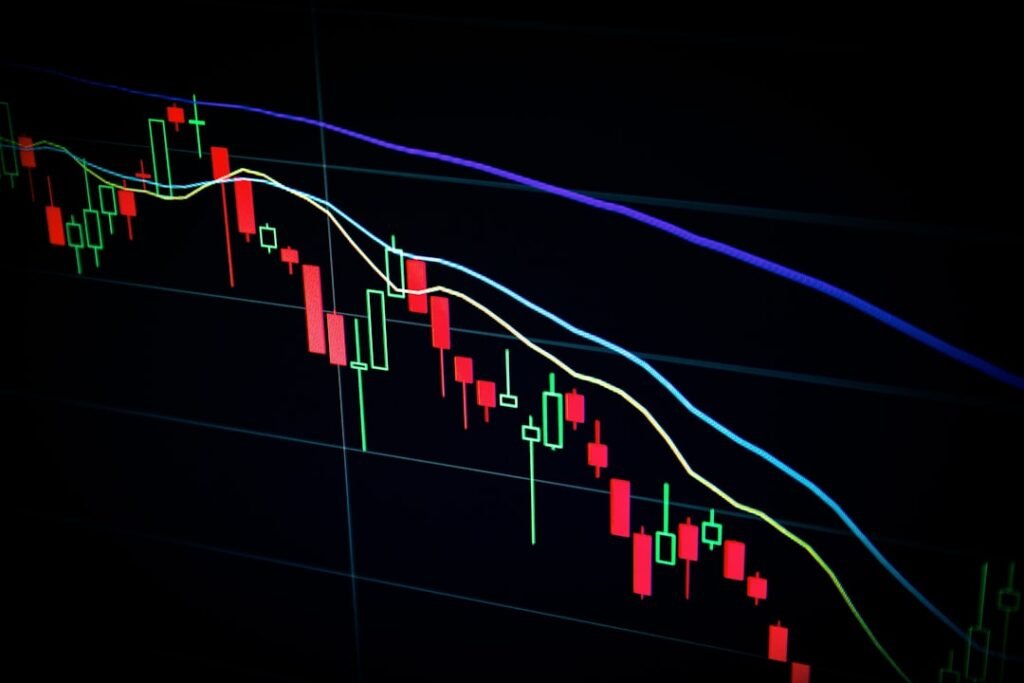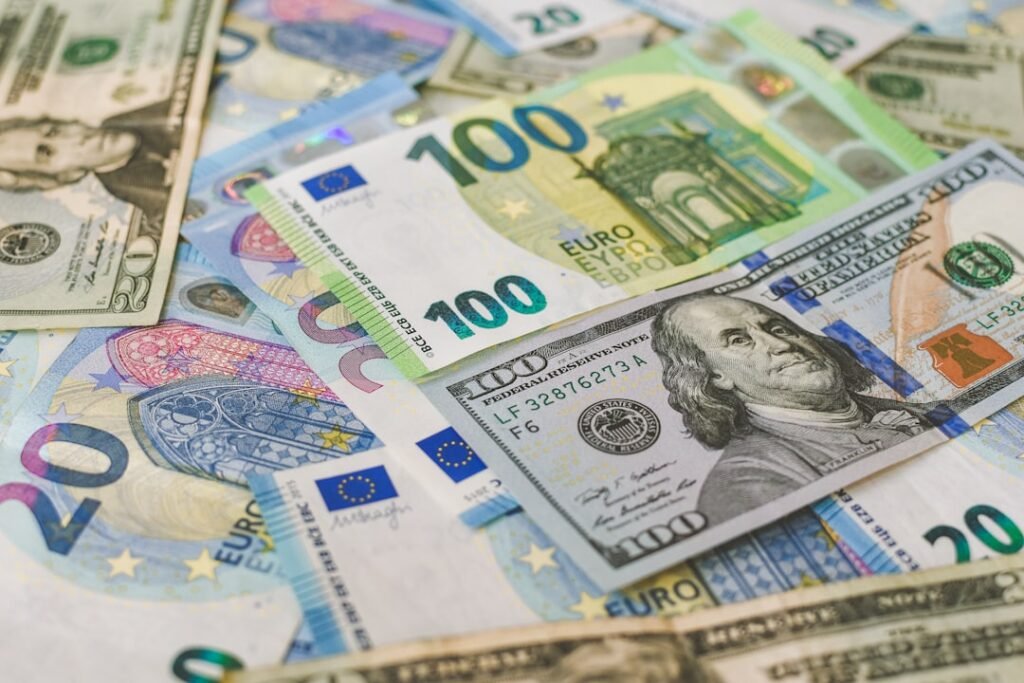
If you’ve ever watched a currency pair surge or collapse within minutes of a scheduled announcement, you’ve witnessed central bank influence in action. Central banks are arguably the most powerful forces in the foreign exchange market — more impactful, in many cases, than any individual trader, hedge fund, or economic data release. Understanding how and why they move markets is a foundational skill for any serious forex trader.
What Central Banks Actually Do
A central bank is a country’s primary monetary authority. Its core mandate typically involves controlling inflation, supporting employment, and maintaining financial stability. To achieve these goals, it uses a set of monetary policy tools that directly influence the supply and cost of money — and by extension, the value of a country’s currency.
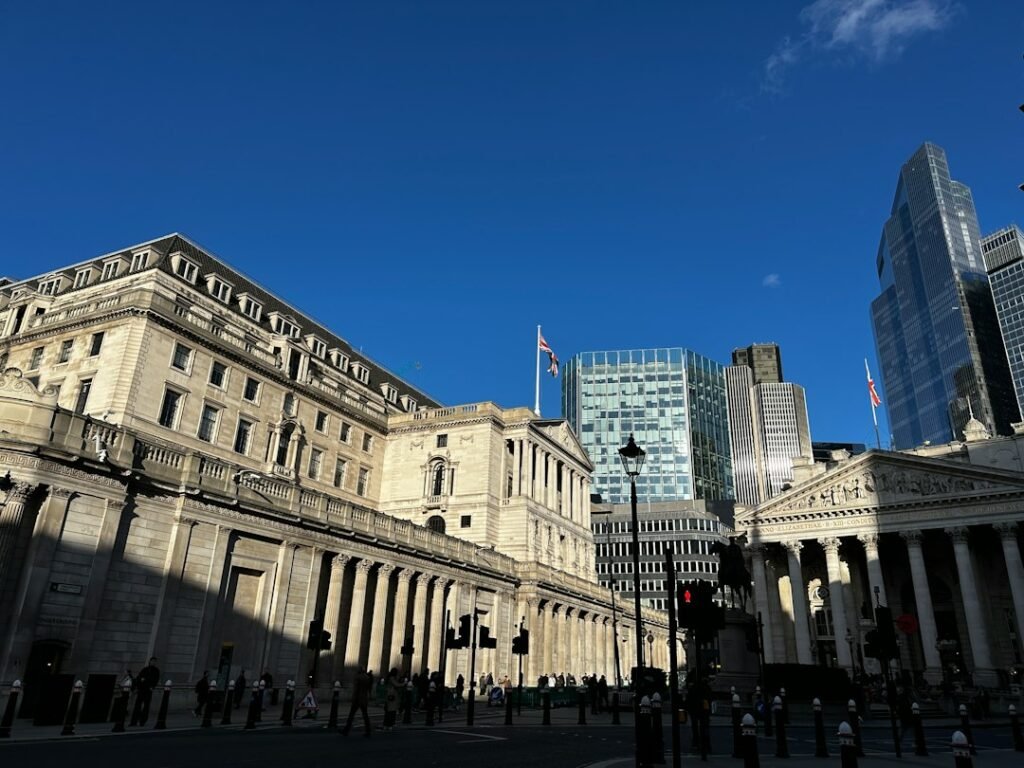
The most well-known central banks in forex trading include the U.S. Federal Reserve (Fed), the European Central Bank (ECB), the Bank of England (BoE), the Bank of Japan (BoJ), and the Swiss National Bank (SNB). Each meets on a regular schedule to review policy, and their decisions are closely watched by traders worldwide.
The Big Three Policy Tools That Move Currencies
1. Interest Rate Decisions
Interest rates are the primary lever central banks use to manage their economies — and the single biggest driver of long-term currency direction. When a central bank raises its benchmark interest rate, it makes holding that country’s currency more attractive to investors seeking yield. Capital flows in, demand for the currency rises, and its exchange rate typically appreciates.
The reverse is equally true. A rate cut reduces the return on assets denominated in that currency, encouraging capital to flow elsewhere. The currency tends to weaken as a result.
Practical example: If the Fed raises rates while the ECB holds steady, the interest rate differential between the U.S. and the Eurozone widens. Traders and institutional investors often shift capital toward the higher-yielding dollar, putting downward pressure on EUR/USD.
It’s important to note that markets are forward-looking. By the time an actual rate decision is announced, the move is often already priced in. What actually causes sharp price action is the surprise — when a decision differs from what the market expected.
2. Quantitative Easing and Tightening
When interest rates are already near zero and a central bank needs to stimulate the economy further, it may turn to quantitative easing (QE). This involves purchasing large quantities of government bonds and other assets to inject liquidity into the financial system.
QE increases the money supply, which tends to dilute the value of a currency over time. Markets often interpret QE announcements as bearish for the currency of the issuing country. Quantitative tightening (QT) — the process of reducing those asset holdings — has the opposite effect and can be supportive of a currency’s value.
3. Forward Guidance and Communication
Perhaps the most underappreciated tool is communication itself. Central bank governors, committee statements, press conferences, and meeting minutes are all vehicles for forward guidance — signals about the likely future direction of policy.
Markets don’t just react to what a central bank does today; they react to what they believe the bank will do next. A statement that policy will remain accommodative “for an extended period” can suppress a currency just as effectively as an actual rate cut — because it removes the expectation of near-term rate hikes.
Traders who learn to parse the language in central bank statements — distinguishing between “hawkish” (inflation-fighting, rate-hiking bias) and “dovish” (growth-supporting, rate-cutting bias) tones — gain a significant interpretive edge.
Trading Around Central Bank Events
Knowing that central banks move markets is one thing. Knowing how to position around their announcements is another. Here are some practical principles:
- Know the schedule. Central bank meeting dates are published months in advance. Mark them on your calendar and reduce position size if you’re not prepared for the volatility they can trigger.
- Watch the consensus. Financial media and analyst surveys publish expectations before major decisions. The greater the gap between expectation and reality, the larger the likely market reaction.
- Read the statement, not just the headline. A rate hold accompanied by hawkish language can be just as bullish for a currency as a rate hike. The nuance matters enormously.
- Beware the “buy the rumor, sell the news” effect. When a decision is fully priced in, the announcement can trigger profit-taking that briefly moves the currency in the opposite direction of the decision itself.
- Monitor subsequent speeches. Committee members often give speeches between meetings that refine or expand on the official statement. These can move markets significantly on their own.
Intermarket Context: Central Banks Don’t Act in Isolation
A single central bank decision doesn’t occur in a vacuum. Currency values are relative — every forex pair involves two currencies, each governed by its own central bank. The key concept here is the interest rate differential: the gap between what two central banks are paying. Traders tracking relative monetary policy cycles across major economies can identify high-probability directional biases in currency pairs long before an actual rate change occurs.
For example, if one central bank is clearly in a tightening cycle while another is signaling prolonged accommodation, the trend in that pair may be well-established and persistent. Understanding where each major central bank sits in its cycle — tightening, pausing, or easing — gives traders a macro framework to anchor their analysis.
For traders who want a structured way to track momentum and sentiment shifts that often accompany central bank cycles, tools like the MetaTrader indicators and Expert Advisors at mghfx.com can help identify and act on technically significant levels within those fundamental trends.
Bringing It Together
Central banks don’t just influence currency markets — they often define their direction over medium and long-term horizons. By understanding interest rate decisions, unconventional tools like QE, and the subtle art of forward guidance, traders can move beyond reacting to headlines and begin anticipating them. The goal isn’t to predict every central bank move perfectly, but to understand the framework well enough to manage risk intelligently and align with the forces that matter most.
Disclaimer: This article is for educational purposes only and does not constitute financial or investment advice. Trading forex carries significant risk, and you should consult a qualified financial professional before making any trading decisions.
Photo by Ibrahim Boran on Unsplash